Reference
This page provides reference definitions for the core concepts in GoChain. For a full glossary including GoFabric and GoBesu-specific terms, see the Concepts & Glossary page.
Organization
An organization within a blockchain network represents a distinct entity, such as a company or institution, actively participating in the consortium. Each organization manages its own set of peers, users, and administrators, crucial for network governance, transaction validation, ledger maintenance, and consensus mechanisms.
Key attributes of an organization include:
- Peers: Nodes hosting ledgers and smart contracts (chaincode) for the organization.
- Orderers: Nodes responsible for transaction ordering and block creation.
- CA: Certificate Authority managing identities and certificates for users and peers.
- Chaincode API: Interface for invoking smart contracts.
Business Group
A business group is a collective of organizations collaborating within the blockchain network under a shared governance model. Business groups enable inter-organizational processes, resource sharing, and maintain control over member organizations.
Key aspects of business groups include:
- Member Organizations: Contributing entities sharing resources within the group.
- Channels: Private communication channels for secure data exchange.
- Chaincode: Smart contracts defining business logic and transaction rules.
- Proposals: Requests for network configuration changes such as adding new members, deploying chaincode, or updating policies.
Business Group Dashboard
Once you have created a business group, you will be redirected to the business group dashboard. This dashboard provides an overview of the business group and its associated organizations.
You can view the following details:
- Organizations: The organizations that are part of the business group.
- Channels: The channels associated with the business group.
- Chaincodes: The chaincodes deployed in the business group.
- Proposals: The pending proposals for the business group.
- Recent Activity: The recent proposals and transactions related to the business group.
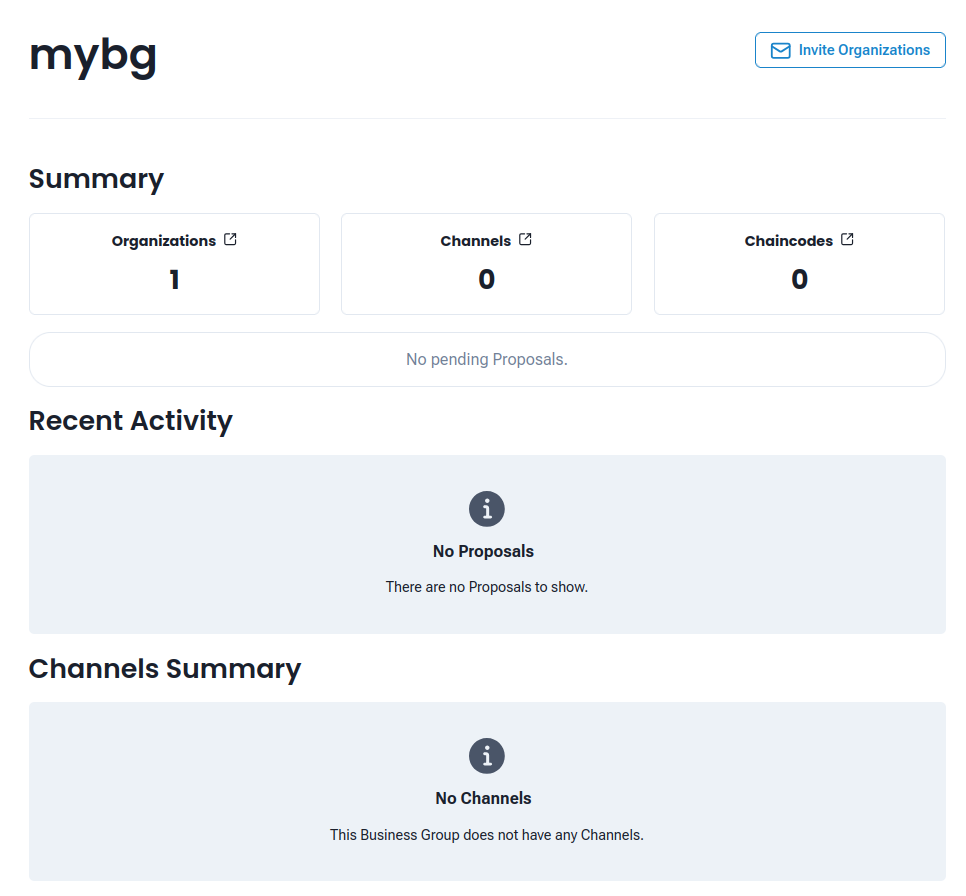 Figure 1: Example of a business group dashboard
Infrastructure Provider
An infrastructure provider defines where your organization's nodes are deployed. GoChain supports the following providers:
| Provider | Description |
|---|---|
| External | Your own servers. You manage the VMs and provide host addresses. |
| AWS | Amazon Web Services. Requires an Access Key ID and Secret Access Key. |
| GCP | Google Cloud Platform. Requires a service account JSON credential. |
| Azure | Microsoft Azure. Requires subscription ID, tenant ID, client ID, and client secret. |
| Kubernetes (EKS) | AWS Elastic Kubernetes Service. Requires a kubeconfig and ARN role. See Kubernetes Infrastructure Setup. |
| GoLedger | Fully managed by GoLedger. (Coming soon) |
Organization Types
GoChain offers two organization tiers:
Starter Organization
The free tier. Allows you to create a single node and participate in one Business Group. Suitable for evaluation, development, and small projects. Can be upgraded to a Full Organization at any time.
Full Organization
The paid subscription tier. Allows creation of multiple nodes, multiple Business Groups, and access to cloud/Kubernetes infrastructure providers. Required for production workloads and multi-node deployments.